Showing posts with label Reward System. Show all posts

Wednesday, May 8, 2019

Rewards and Risk-Taking in Adolescence

by Lauren Graf, Neuroscience major, Kenyon College Class of 2020

In this blog post I have decided to discuss motivational systems, including risks and rewards, in adolescence. This post is based off of an annotated bibliography in which I looked at articles that focused on these motivational systems. The topic is one of major interest, as everyone goes through adolescence and may experience these changes in their lives. 


Article 1:

Galván begins by defining adolescence as a time period during which individuals exhibit more risk-taking behavior and have heightened reward sensitivity while also developing social, physical, and cognitive skills needed for independence. She mentions how this increased risk-taking and heightened reward sensitivity may actually be beneficial in helping adolescents learn from novel experiences in order to become more independent. She then also defines reward sensitivity as increased motivation to obtain rewards and an increased response to the rewards. It is not hormones alone that are controlling these changes in adolescents, as they work together with the developing brain. Galván states the goal of the paper is to focus on how adolescent reward sensitivity is seen across species, how changes in the dopamine neurocircuitry results in heightened reward sensitivity in adolescents, and how there are individual differences in reward sensitivity and how these may be predictive of “real-world” scenarios. Even though this increased risk-seeking behavior may produce outcomes that are not ideal, it is necessary to help individuals grow and develop.
Researchers have tested rats and other non-human primates and compared their reward-related behavior to that of humans. They found that adolescent rats also demonstrate increased reward seeking, risk taking behaviors, social interactions, and an increased interest in drugs, just as in human adolescents. These results help to support evidence that there are actual changes in the brain causing these behaviors, and that it is not just cultural or social norms. Many studies have chosen to focus on changes in the dopamine system, which fires in response to rewards, social interactions, and unexpected events and stimuli. This response then leads to approach behavior, as an individual is going to want to do something more often if there is a reward involved. In adolescence, it has been shown that dopamine D1 and D2 receptors increase in the ventral striatum, while it has also been observed that the dopamine neuron firing rates and the number of activated dopamine neurons in anticipation of reward both peak in adolescence.
Image result for dopamine
https://www.everydayhealth.com/dopamine/
Studies have also helped to show that adolescents have an increased sensitivity to different types of rewards. For example, it has been shown that adolescents have the greatest ventral striatum activation in response to the largest monetary reward. They became slower at responding to the smaller rewards, and quicker to react to the larger rewards. This hyperresponsive view is also supported by other work that found that adolescents had more activity in the VS when earning money, and that there is a heightened VS response to both the preparation for a reward, and the expected and unexpected reward outcomes. This has all been found to correlate with “real-world” sensitivity and task performance.
Another important topic that Galván touches on is that there are individual differences in reward sensitivity. Those who are more likely to participate in risk-taking behavior and who seek novelty are more likely to be more reward-seeking. Work by Galván has shown that those who have greater VS recruitment are more likely to exhibit risk-taking behavior more often. It has also been shown that hormones do have an impact on the dopamine system. For example, studies have shown that adolescents who have higher levels of testosterone had an increased reward-related activation in the VS. While the developing brain is an important factor in reward sensitivity, puberty does also play a role in this.
Galván concludes the paper saying that more research needs to be done determining the importance of the prefrontal cortex in this system, how other individual factors may influence behavior and risk-taking tendencies, and how this reward sensitivity affects learning. It is important for us to determine these questions and do more research on the topic in order to be better able to help adolescents at home and in schools. 

Article 2:
The authors begin by describing adolescence as an important developmental time period in which individuals will exhibit increased risk taking behaviors such as experimenting with alcohol and drugs. While many of the changes that adolescents experience are adaptive and help them to become more independent, some of them may be detrimental, like excessive alcohol consumption. 32% of emergency treatments from alcohol poisoning in the Netherlands was to help adolescents 15-19 years old. This shows that excessive alcohol consumption is a major detrimental risk that many adolescents are taking. Due to this, the researchers wanted to know more about the relationship between alcohol consumption in adolescents and changes in the brain. The ventral striatum, particularly the nucleus accumbens, has been known to be associated with increased risk-taking and reward-seeking behavior in adolescence, so it was of major focus for the research group. They used fMRI information in which participants completed a gambling task from a previous longitudinal study in adolescence over two time points. Researchers also had participants fill out an alcohol consumption questionnaire that tested average alcohol consumption per evening, alcohol consumption over the past month, and total lifetime alcohol consumption. In addition, participants were also asked to provide a testosterone sample from saliva. Participants varied in age from 8 to 27 years old. The researchers hypothesized that age and alcohol use would have a positive correlation, that participants with higher reward responses in the nucleus accumbens during the gambling task would have higher alcohol use, and that higher levels of testosterone would also be seen with higher alcohol use.
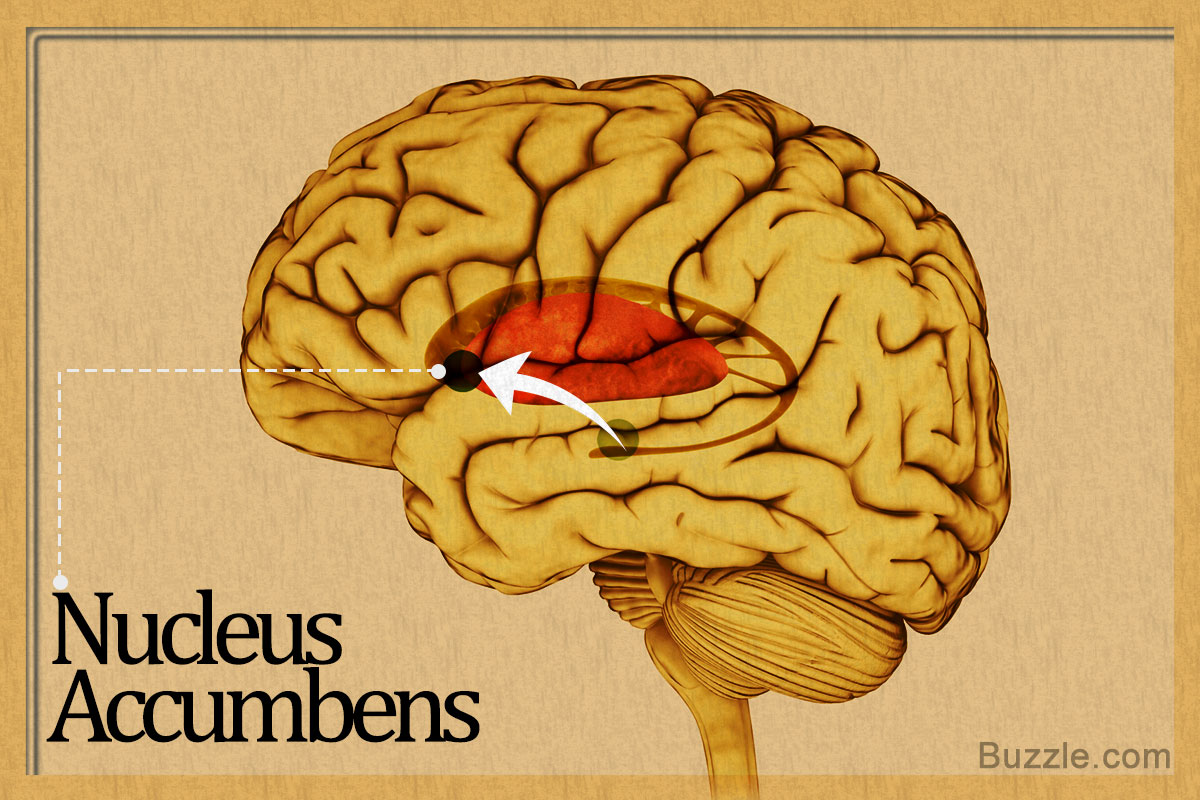
Image result for nucleus accumbens
https://bodytomy.com/structure-function-of-nucleus-accumbens
Results showed that there is a positive correlation between nucleus accumbens activation in response to receiving a reward and the average amount of alcohol consumed per night. The study also demonstrated that testosterone levels from the first time point could help to predict alcohol use at the second time point, however, the nucleus accumbens activation at the first time point did not predict alcohol consumption at the second time point.
To conclude, the researchers state that there is a relationship between real-world risk-taking behavior and brain activation to rewards. They also mention that based on the findings that testosterone levels can be predictive of alcohol consumption in the future, it should be looked at how testosterone levels have an impact on brain development and how these combined impact real-life risk-taking.
Article 3:

The authors begin by stating that adolescence is a time of development and risk-taking. They then mention the nucleus accumbens, and how it is a crucial area of the brain involved in the brain’s reward circuitry, specifically during adolescence. However, the relationship between the nucleus accumbens activity and risk-taking is not well understood. One factor they discuss that might help explain the relationship between the two is testosterone levels. Another factor they mention is individual differences in risk-taking behaviors. This longitudinal study was designed in order to test the relationship between nucleus accumbens activity to rewards, pubertal development, and risk-taking behavior. Participants were from the age of 8 to 27, and participated in multiple tasks. There was a gambling task which involved winning or losing money, a balloon analog risk task (BART) which corresponded with real-life risk-taking behaviors, a Behavior Inhibition System/Behavior Activation System (BIS/BAS) questionnaire for self-reported risk-taking tendencies, a Pubertal Developmental Scale, and testosterone levels were measured through saliva.
Results helped to confirm that there is a peak in nucleus accumbens activation in response to rewards, which had been identified in earlier studies. This is seen to be associated with a structural change in the volume of the nucleus accumbens. Results from this study have also concluded that pubertal changes begin earlier in girls than in boys based on self-reported information, and a serious increase in testosterone is seen in boys around age 10 as compared to a moderate increase in girls. When assessing risk-taking in individuals using the BART task, there was a peak in adolescence, which was also seen in previous studies. However, when measuring risk-taking through a self-assessment, there was no change over age which could possibly be due to individual differences aside from age. Self-reported risk-taking might just show the risk taking tendency of the individual, not how it changes over time, while using the BART to measure risk-taking shows when individuals are more likely to make risky decisions. The researchers also found that individuals with higher BAS scores over time had greater increases in nucleus accumbens activity, so the differences in self-reported risk-taking correlate with activity in the nucleus accumbens. Lastly, they found that elevated nucleus accumbens responses to rewards were related to increases in puberty and higher testosterone levels.
The authors conclude by saying that future research is needed in order to determine factors that lead to a stabilized response to rewards in adulthood. Having this information may be able to help more individuals control their risk-taking tendencies and make safer decisions.

References


Sunday, May 5, 2019

Position Paper: Sexual Education: A Necessary Aspect of Development

by Andres Tuccillo, 2022

In this position paper I will show that a comprehensive sexual eduction program is necessary for the healthy sexual development of adolescents. Sexual development is often an overlooked and demonized aspect of adolescence. The aim of this paper is to rectify that assessment by explaining how the literature substantiates my claim above: sexual eduction program is necessary for the healthy sexual development of adolescents.


Sexual Education: A Necessary Aspect of Development


No person can deny that adolescence is a transformative stage in neurological and physical development. The skills and functions needed to live and interact successfully in society are perfected over this period. Evolutionarily, one of the most, if not the most, important of these developmental hallmarks is the development of sexuality. Sex and romantic relationships are some of thes most important aspects of adulthood. Not only is it, evolutionarily speaking, the major drive of life, but also it has important and undeniable social importance. To prepare for this inevitable aspect of adulthood, the human body goes under many changes during adolescence. However, there is so much sexual knowledge that one needs to know to participate in sexual activities healthily and effectively that are not innate. Many of the implications of sexual activity are not self-evident to adolescents. One needs to learn these implications from a secondary source. This is why a comprehensive sexual education program is necessary. Many people however do not agree with this. Many are proponents of “abstinence-only” sexual education programs. These programs do not teach adolescents the necessary skills that they will need to know to live in a sexually active society; they only try to convince adolescents to never have sex. But this is a fantasy. By nature, adolescents are more prone to risk-taking than any other age group. If they are not taught about sex correctly, they will make the wrong desisions and have to deal will devistating conciquences. Thus, it is my belief that sexual education should be based on guiding adolescents through the complexities of sexual encounters (STIs and HIV, birth control, sexual orientation, etc.), not attempting to prevent them form having any sexual encounters in the first place.    
However, before one can make a judgement on what sexual education should entail and to what extent it should be implemented, one must first understand the neurological processes that occur which cause and influence an adolescent's sexual development. Firstly, one must understand that the development of sexuality started as early as conception and continues until death. However, self-awareness of one’s sexuality does not evolve until childhood (Kar et al. 2015). This increase in sexual awareness is a normative process that has many different factors associated with it. Biological, psychological, and social (or cultural) factors are all important in the development of sexuality in adolescents (Kar et al. 2015). Firstly, the major biological factor the stimulated of the reward system in adolescents. Sex is seen as a very rewarding expirience. When an adolecent comes of age and goes through the complex process of pubery, sex has been forgien to them. Therefore, when they are finally able to understand hormonally the essence of sexual action they want to be involved romantically with another person (Suleiman & Harden 2015). Brain imaging research has shown that romantic and sexual love or emotions are goal-oriented motivations and thus, activates dopamine-rich reward processing systems (Suleiman et al. 2015). This wish to become romantically involved is increased due to the fact that adolescents have a hypersensitivity to not only circumstances that would make them motivated, but the feeling of fulfilling a goal or gaining a reward.
The connection between the reward-system of the brain and sexual maturity is further shown through a number of neurotransmitters and hormones. Firstly, gonadal hormones, which are partly a cause of the onset of puberty (along with the hormone cortisol) (Kar et al. 2015), have been known to affect the reward processing system. Furthermore, testosterone levels have also been recorded to increase when reward-related brain activation has also become more prevalent (Suleiman et al. 2015). This connection between the hormones that signal and contribute to adolescents going into sexual maturity, and an increase in the activation of the dopamine pathways (mainly the Mesolimbic Dopamine Pathway) proves that sexual and romantic experiences hijack the dopamine pathway (Suleiman et al. 2015). Moreover, the body has a clever way of formulating and regulating the release of dopamine. When dopamine is released during a romantic or sexual encounter, oxytocin is released as well (from the Posterior Pituitary Gland). The co-release of oxytocin with dopamine prevents the development of tolerance to these neurochemicals. This co-release also over time leads to greater and more stable release of dopamine and thus fosters a long term bond between people (Suleiman et al. 2015). Thus, to form healthy relationships, adolescents need to experiment with relationships to be able to formulate this healthy co-release of dopamine and oxytocin. Therefore, after establishing that sexual experiences casue a realise of dopamine in the reward system, and knowing that adolecsents are more sensitive to reward-seeking, one can infer that sex (as well as drugs) is an expirience that adolecents will seek out. They will experiment with romance and sex, once their development has reach the stage to allow them to do so. Thus, because of the inevitability of this fact, it is imperative that adolescents are taught a comprehensive curriculum of sexual education to prepare them for this eventuality.   
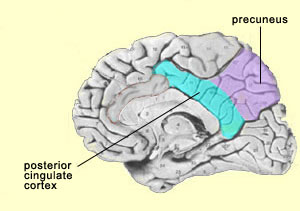
However, this experimentations has the possibility to be dangerous because of the involvement of peers. Peer development develops with sexual interest (Kar et al. 2015). This is not only because it is with peers that adolescents will look for potential sexual partners, but because peers will talk and compare sexual experiences. To gain admiration from one’s peers, that person wants to impress them with the level of sexual experiences they have had. Conversely, in most societies, the parents of adolescents do not want their adolescent children to have these experiences. A study conducted by Saxbe et al., explored the neural socioemotional processes attributed to who adolescent care most about pleasing; their parents or peers. The researchers began with the knowledge that social reorientation from parents to peers is normative in adolescents (Saxbe et al. 2015). However, the reachers wanted to know exactly what was happening in adolescent brains. The study was conducted with twenty-two adolescents (with the average age of 16.98) who underwent fMRI imaging while viewing brief video clips featuring thesleves, their parents or an unfamiliar peer. When viewing the peers compared to the parents, the adolescent brains were activated in the posterior cingulate cortex (PCC), pecunious, and the ventral striatum (area associated with reward processing) (Saxbe et al. 2015). Activations in these regions, especially the PCC and pecunious, suggests that neural correlates of the adolescent social reorientation from parents to peers, may be associated with adolescents' risk-taking behaviors and social relationships (Saxbe et al. 2015). Therefore, when adolescents move their attentions to peers, the amount of times that they participate in risky behaviors (alcohol use, committing crimes, and sexual activity) increases. Thus, the move to sexual activity is a normative and inevitable motion that adolescents will take. Along with sexual activity however, alcohol use is increased as well. By the age of 18, 47% of Amerrican teens have had sexual intercorce; 41% of those do not use condoms, and 22%  report substance abuse. (Ewing et al. 2016). The use of alcohol (or any substance) paired with sexual activity may lead to unintended health consequences such as STIs or unplanned pregnancies (Ewing et al. 2016). The response of schools and parents should not be to try to push students away from sexual activity then, but instead they could concentrate on teaching them the information that is stated above, and much more. The fact of the matter is (as is already established) that because of the biology of adolescence, they will have sex regardless of what their parents or other adults tell them. So, by not educating them about the dangers above, they are more likely to make those very same mistakes.
However, despite the neuroscience above, many parents and educators do not wish to implement a comprehensive sex-ed program. They have many misconceptions about sexual education and the neuroscience behind it. These misconceptions lead them to make misinform decisions about the nature of sexual education, which harm the adolescents that they attempt to protect. One common misconception is the belief that sexual activity outside of marriage has harmful psychological and physical effects. Since there is a lack of human research on this issue, one must look to animal literature. Neuroimaging of prairie voles show that the neural circuits involved in monogamous pair bonding (for voles don’t marry, but they do have strong mating pairs) are those related to the processing of rewards and social interactions. Also similarly to humans, dopamine and oxytocin has been found to be involved in establishing long-term pair bonds in voles (Suleiman et al. 2015). Thus, the neurocircuitry of those voles who pair bond is different than those who do not. Many proponents use this research to prove abstinence until marriage. However, there is a distinct distinction that must be made. Marriage is a social and legal construct. The literature described above may explain intriguing distinctions between romantic and other types of love, there have not been neural correlations uncovered which explains the distinction between married and unmarried love. It is important to note that marriage does not always lead to lifelong romantic bonding. People get divorced, marriages are arranged, and bad marriages can lead people to poor health (Suleiman et al. 2015). Simply, there is no biological difference between marital sex and marital sex.
Moreover, there is a misconception about what should be taught in sexual education programs. Abstinence-only education teaches about the emotional and physical harm that comes with casual sex. Ever since the outbreak of HIV/AIDS, sexual education has become more prevalent but has followed the model of “abstinence-only” (Galván 2017). Such programs concentrate only on the consequences of unprotected sexual intercource, such as STIs and unplanned pregnancies. Despite the importance of these health issues, they are missing large portions of necessary sexual education. Comprehensive programs aim to delay the participation of sexual intercouce, helping individuals avoid STIs and unplained pregancies, improve sexual decision making (not using alcohol or substances before having sex), and increase the use of contreceptives (i.e. condoms) (Suleiman & Brindis 2014). Sexual education can also focus on the positive and pleasurable aspects of sex. Sexual experiences are an important part of development, and adolescents should know that it can be a pleasurable action when done correctly. However, the majority of sexual education programs are missing aspects that relate indirectly to sexual activity. To be truly comprehensive, a program need to incorporate these topics: neuroscience of sexual development, interpersonal relationships, body image, intimacy, and gender roles (Suleiman & Brindis 2014). It is also impotant to note that adoelcents should not be told that sex is risky. Although risky behaviors may be motivated by sexual contexts, sex itself is not a risky action (Suleiman & Harden 2015). When given adequate access to contraceptives and sexual education, most teenagers are able to have sex with limited negative concequences (Suleiman & Harden 2015). Many of the negative consequences can surely be negated by more comprehensive sexual education. Sexual violence and abouse (also including coercion) is a biproduct of a lack of sexual knowledge (Suleiman & Harden 2015). Media, expecially pornography, depicts sex as an action of domination which promotes this trend of sexual violence. However, when proper sexual education is introduced, this fantasy is pulled away and adolescence begin to understand the real social implications of sex (Kar et al. 2015). This trend can also be seen in alcohol use during sex. When taught about the dangers of mixing alcohol and sexual intercourse, adolescents have been shown to decrease such actions (Ewing et al. 2016). What is infact dangerous is that sexual violence, substance use diring sex, the lack of contreceptives, etc., are increased when adolescents are not exposed to comprehensive sexual education programs.
  Despite all of the literature that is currently scattered all over the internet and many neuroscientific journals, comprehensive sexual education programs are not the accepted norm. Only twenty-two (out of fifty) states and DC mandate sexual education (Galván 2017). Also, 8 of those states require the program to be inclusive of all cultures and not be biased, while 2 states prohibit religion to be stressed. Therefore, 48 states concentrate on a topic that has no connection to sexual experiences while only 12 states are mandated to include sexual orientation (a topic which has great implications to sexual experiences) in their education programs (Galván 2017). These statistics show exactly why adolescents are the only segment of the population for whom acquisition of STIs/HIV is not decreasing (Ewing et al. 2016). Adolescents are not being taught sexual education properly. If this trend of “abstinence-only” sexual education is not giving adolescence the ability to experiment with romantic and sexual relationships in a healthy way. Our society needs a universal comprehensive sexual education program. The literature and research is out there but many in our government and society do not want to change the way sexual education is approached because of misguided stubbornness. Sex is an inevatible, healthy, and important part of life. It should not be hidden away. It should not be misrepresented. It needs to be taught with a great deal of transparency. Only then will adolescents have the skills to live a healthy sexual life.


Work Cited
Ewing, S. W., Ryman, S. G., Gillman, A. S., Weiland, B. J., Thayer, R. E., & Bryan, A. D. (2016,
January 20). Developmental Cognitive Neuroscience of Adolescent Sexual Risk and Alcohol Use. Retrieved April 28, 2018, from https://www.ncbi.nlm.nih.gov/pmc/articles/PMC5858879/  
Galván, A. (2017). The Neuroscience of Adolescence. New York, NY: Cambridge University
Press.
Kar, S. K., Choudhury, A., & Singh, A. P. (2015, April 8). Understanding normal development of adolescent sexuality: A bumpy ride. Retrieved April 28, 2019, from https://www.ncbi.nlm.nih.gov/pmc/articles/PMC4477452/
Saxbe, D., Del Piero, L., Immordino-Yang, M. H., Kaplan, J., & Margolin, G. (2015, December
10). Neural correlates of adolescents’ viewing of parents’ and peers’ emotions: Associations with risk-taking behavior and risky peer affiliations(Rep.). Retrieved April 28, 2019, from HHS Public Access website, from https://www.ncbi.nlm.nih.gov/pmc/articles/PMC4607542/
Suleiman, A. B., & Brindis, C. D. (2014). Adolescent School-Based Sex Education: Using
Developmental Neuroscience to Guide New Directions for Policy and Practice. Springer Science & Business Media. Retrieved April 28, 2019, from http://www.schoolhealthcenters.org/wp-content/uploads/2014/03/Adolescent-Decisions-Suleiman-Brindis-2014.pdf
Suleiman, A. B., & Harden, K. P. (2015). The Importance of Sexual and Romantic Development
in Understanding the Developmental Neuroscience of Adolescence. Developmental Cognitive Neuroscience. Retrieved April 28, 2019, from https://labs.la.utexas.edu/harden/files/2013/05/Suleiman-Harden-DCN.pdf
Suleiman, A. B., Johnson, M., Shirtcliff, E. A., & Galván, A. (2015, July 7). School‐Based Sex
Education and Neuroscience: What We Know About Sex, Romance, Marriage, and Adolescent Brain Development. Retrieved April 28, 2019, from https://onlinelibrary.wiley.com/doi/full/10.1111/josh.12285


Relevant Images:

Mesolimbic Dopamine Pathway & Ventral Striatum:

Image result for Ventral Striatum and the Mesolimbic Dopamine Pathway


Posterior Pituitary Gland (produces oxytocin):
Image result for posterior pituitary


Posterior Cingulate Cortex (PCC) & Pecunious:

Image result for Posterior Cingulate Cortex

Wednesday, April 10, 2019

Adolescent Risk Taking

by Kylie Baker-Williams, Kenyon College, 2022

This is an annotated bibliography of risk taking in adolescents. Here I will review three articles that look at why it happens, who's at risk, and how peers influence risk taking behaviors.

So, what is happening in the brain that results in this risky behavior? Qu, Y., Galván, A., Fuligni, A. J., Lieberman, M. D., & Telzer, E. H. (2015). Longitudinal changes in prefrontal cortex activation underlie declines in adolescent risk taking. Journal of Neuroscience, 35, 11308-11314.
A study by Galván, Fuligni, Lieberman, and Telzer was done in order to determine the way the prefrontal cortex functions in the context of adolescent risk-taking. The researchers took a group of 24 adolescents and gave them two fMRI scans, about a year and a half apart. At both scans, the participants reported their involvement in risk-taking activities using the Youth Self-Report. In order to examine the participants' sensitivity to risky behaviors, they completed the Balloon Analog Risk Task while undergoing the fMRIs. The final results from this study do not include two of the participants due to excessive head movement. The researchers did not find an overall change in behavior with the BART test, however, declines in risk-taking on the BART did covary with declined self-reports of risky behavior. When they looked at the neural results they found heightened activation in cognitive control and reward-related networks during the first and second scan. When they compared the two scans they found that the second scan, the one taken about 1.5 years later, showed less activation of the VLPFC in the participants compared to their first scans. They also found that the participants that reported less risk-taking behavior also had less activation in their VLPFC and VS than other participants. These findings suggest that higher activation of the VLPFC is an important part of risk-taking behavior in adolescents, and as we get older the region becomes less sensitive and active.

What else is going on? Galvan, A., Hare, T., Voss, H., Glover, G., & Casey, B. (2007). Risk-taking and the adolescent brain: Who is at risk? Developmental Science, 10.
Another study was done in 2007 in order to figure out the reasons behind risk-taking and predict who may be more likely to take risks. The study was of 12 adults, 12 adolescents, and 13 children. Each participant was given a modified version of the Cognitive Appraisal of Risk Activities and asked to give each item 3 ratings: one on how likely they were to do the activity in the next 6 months, one on the likelihood of a negative consequence, and one on the likelihood of a positive consequence. They were also given a revised version of The Connors Impulsivity Scale in order to assess how impulsive each participant was. The subjects were then put in an fMRI in order to measure nucleus accumben activity. They were given a task where 3 cues, pirates, associated with different amounts of money, would show up somewhere on the screen followed by two treasure chests. The participant was meant to choose the treasure chest they wanted, with the goal being to make as much money as possible. Each participant received a monetary reward for participating but were told that if they did well on the task they would receive extra money. The study found that accumben activity correlated with the likelihood of engaging in risk-taking behavior in adults and adolescents. An association between activity in accumbens and predicted consequences of risky behaviors as well. Those that anticipated positive consequences from risky behavior had higher activation in their nucleus accumbens, a trend seen in adults and adolescents but not children. There was less activation of the accumbens if the participant anticipated negative consequences.

How do our peers influence our behaviors? Chein, J., Albert, D., O’Brien, L., Uckert, K., & Steinberg, L. (2010). Peers increase adolescent risk taking by enhancing activity in the brain’s reward circuitry. Developmental Science, 14(2).
In 2010 a study was conducted to test the hypothesis that the presence of peers may increase risk-taking in adolescents by activating the regions of the brain that anticipate rewards. To do this they took a group of adolescentsô, young adults, and adults and gave them an fMRI while they were in a driving simulation. The simulation had the participants drive through a course with intersections, as they would approach the light would turn yellow and the subject would have to decide whether or not to brake. The participants were offered money if they could make it through the course fast enough, motivating them to take risks. However, if they were to crash they would be unable to complete the course, which would discourage them from taking risks. Each participant did the task twice, once alone and a second time while they were being watched by their peers, two friends of the same age and sex. The peers were allowed to talk with the subject while the watched and were instructed to tell the subject that they were there, able to see the subject’s performance, and had already predicted how the subject would do. The data showed that adolescents took significantly more risks, deciding to go through the yellow light, while being observed, and were the only group to do so. The fMRI showed that specifically relative to adults, adolescents had much more activation in the ventral striatum and orbitofrontal cortex, but only when they were being observed by their peers. These findings may indicate that adolescents feel the reward to be higher and more important while peers are around.


Chein, J., Albert, D., O’Brien, L., Uckert, K., & Steinberg, L. (2010). Peers increase adolescent risk taking by enhancing activity in the brain’s reward circuitry. Developmental Science, 14(2).


“Dopamine Pathways.” Okinawa Institute of Science and Technology Graduate University OIST, 12 Oct. 2015, www.oist.jp/news-center/photos/dopamine-pathways.